How to Spot Good Quality Bedding on a Budget | Online Home Shop
Good bedding doesn't have to cost much, but working out what's worth buying can feel like it needs a textiles degree. Listings are full of thread counts, blends and weave names, and it isn't always clear which ones actually change how your bed feels.
So, where can you find good quality bedding for cheap? Start with a shop that tells you exactly what the fabric is. At Online Home Shop, microfibre bedding starts from £2.50, teddy fleece from £4, polycotton from £5, brushed cotton from £6 and 100% cotton from £16, and every listing shows what it's made from.
Below, we'll walk through what you get at each price, how polycotton and cotton compare, and how to judge quality from a product page before you buy.
The Quick Answer
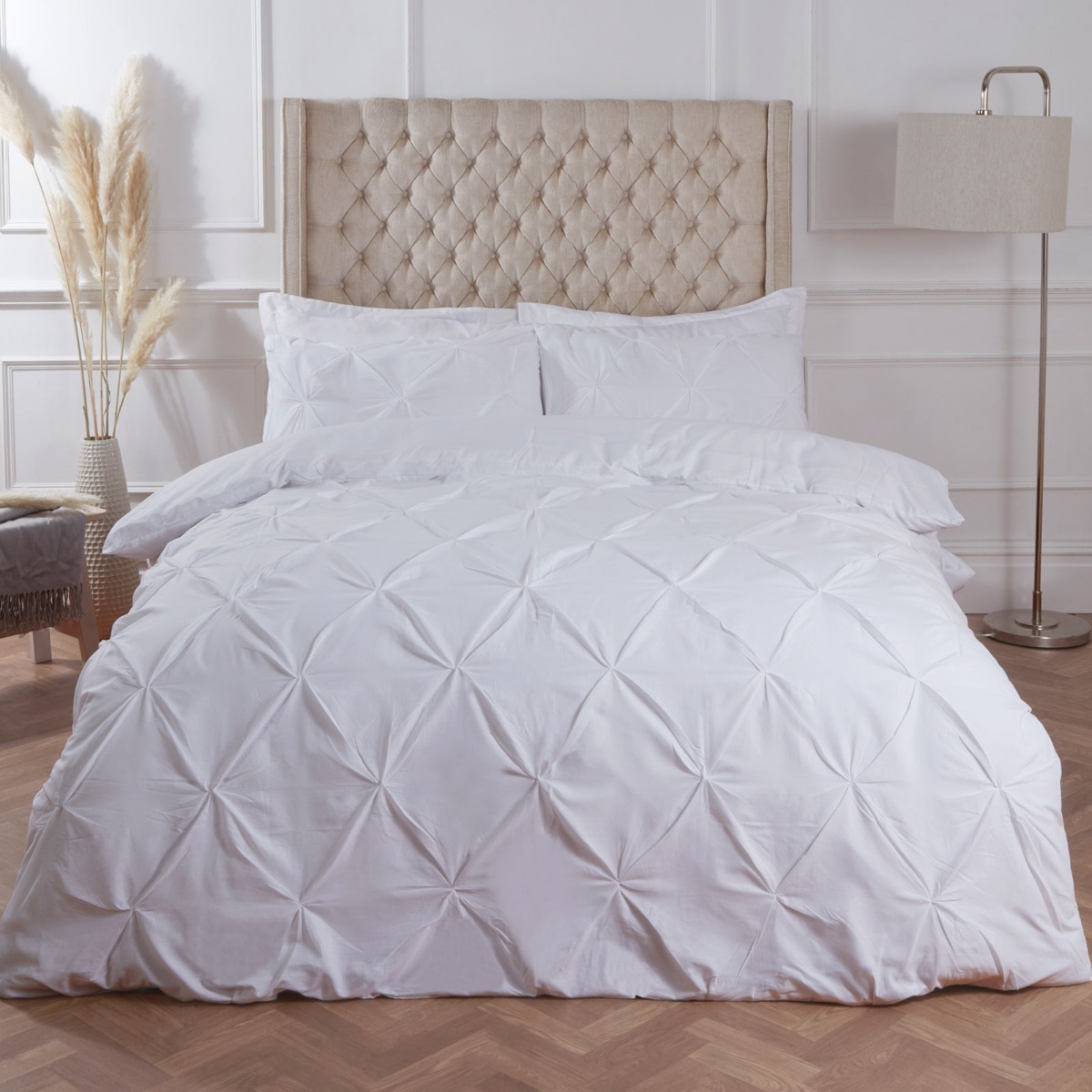
Check what bedding is made of before you look at the price. Fabric tells you how it'll feel, wash and wear; the weave or finish tells you about texture; and thread count, if it's listed, is a useful extra clue. On the tightest budget, microfibre is hard to beat. For easy, everyday care, polycotton is the best all-rounder. And if you want something breathable that gets softer over time, 100% cotton is worth the extra couple of pounds.
What You Get at Each Price
Here's how our bedding fabrics compare, from the lowest price up.
| Fabric |
Prices from |
Best for |
Verdict |
Shop |
| Microfibre |
£2.50 |
The tightest budgets |
Smooth and soft to the touch for very little. It's polyester, so not the most breathable, but it washes and dries easily. |
plain dye bedding |
| Teddy Fleece |
£4 |
Easy, everyday care |
Hard-wearing, quick to dry and slow to crease. The best all-rounder if ironing isn't your idea of a good evening. |
polycotton bedding |
| Polycotton |
£5 |
Cold nights |
Fluffy and very snug. Also polyester, so it's better saved for winter than used all year. |
teddy fleece bedding |
| Brushed Cotton |
£6 |
Natural warmth |
Cotton brushed for a soft, slightly fuzzy feel. Warm and cosy, but more breathable than fleece. |
brushed cotton bedding |
| 100% Cotton |
£16 |
Breathability and feel |
Cool and soft, and it gets softer with every wash. Needs a little more care, but worth it if feel comes first. |
cotton bedding |
Polycotton vs Cotton: Which Should You Choose?
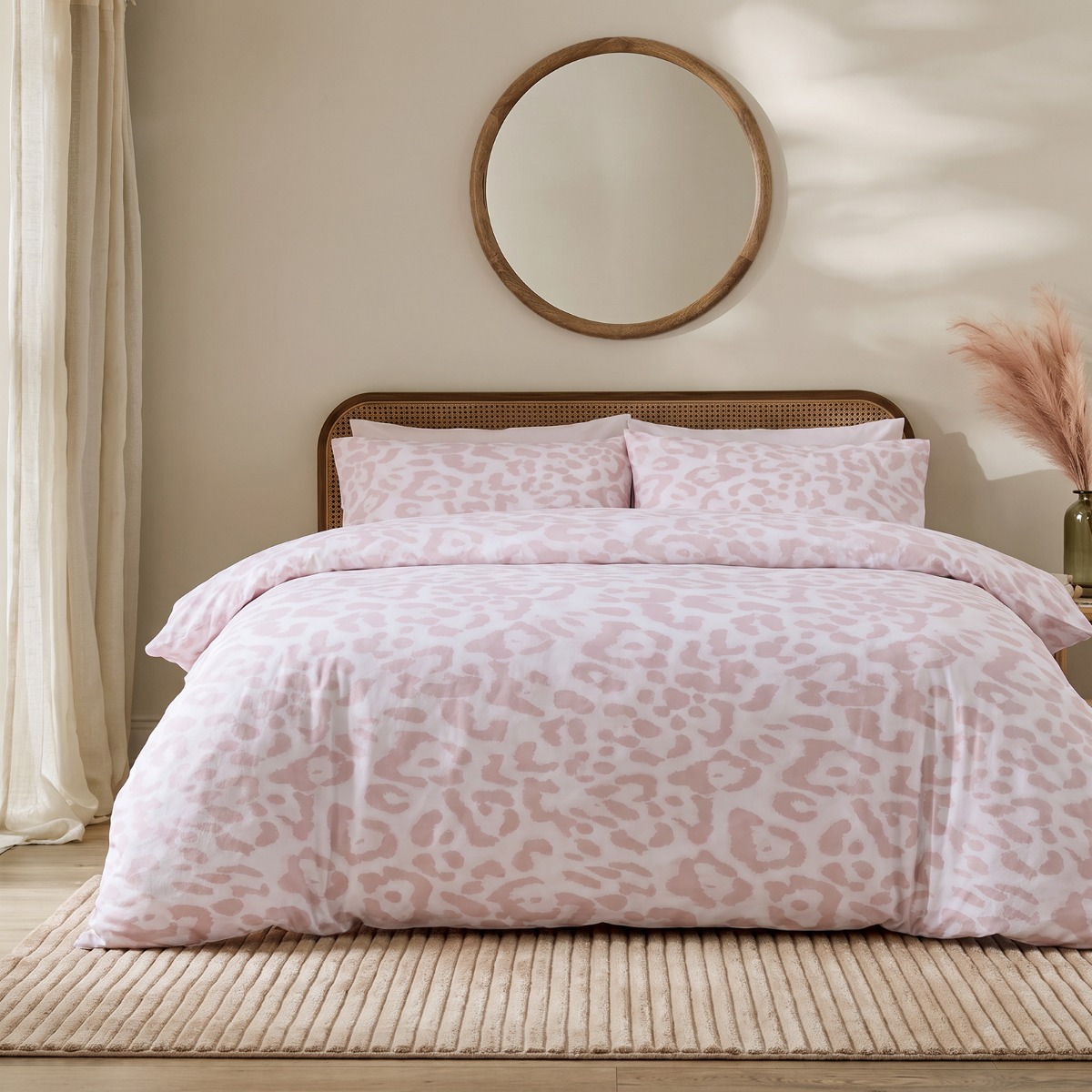
Go for polycotton if you want low-effort bedding that holds its shape, or 100% cotton if breathability and a natural feel matter more. Both are good choices. It just depends on how you live and sleep.
| |
Polycotton |
100% Cotton |
| Feel |
Smooth and crisp |
Soft, and softer over time |
| Breathability |
Good, slightly less airy |
Very breathable |
| Creasing |
Resists creases |
Creases more easily |
| Drying Time |
Quick |
Takes longer |
| Ironing |
Rarely needed |
Optional, for a crisp look |
| Price from |
£5 |
£16 |
What is polycotton?
Polycotton is a blend of polyester and cotton fibres spun together into one yarn, often around 50/50 or 65/35. The polyester adds strength, so it keeps its shape through plenty of washes, shrugs off creases and dries quickly. That's why it's the go-to for anyone shopping for cheap bedding online that still lasts. The one trade-off is that it's a touch less airy than pure cotton on warm nights, though most people barely notice.
What is 100% Cotton?
100% cotton is made entirely from natural fibres, so it's soft, breathable and absorbs moisture, which helps it feel cooler overnight. It also gets softer the more you wash it. The catch? It creases more easily, takes a bit longer to dry and may need an iron if you like a crisp finish.
Why is polycotton cheaper
Adding polyester to the mix makes the fabric cheaper to produce in large quantities, so polycotton sits at a lower price. With 100% cotton, you're paying for an all-natural fibre that takes more processing. Cheaper doesn't mean worse here, just different.
The Verdict
Choose polycotton bedding if you want something easy to wash, quick to dry and happy without an iron. Choose 100% cotton bedding if a cool, soft feel comes first and you don't mind a little extra care. If you tend to sleep hot, cotton is usually the safer bet.
How to Spot Quality When Shopping Online
You can't feel bedding through a screen, so the product page has to do the work. Here's what to check, in order.
Start with the fabric
Fabric composition is the most reliable clue on any listing. It tells you how bedding will feel, how it'll cope with washing and how warm it'll be. If a listing doesn't say what something is made of, treat that as a warning sign.
Check the weave and finish
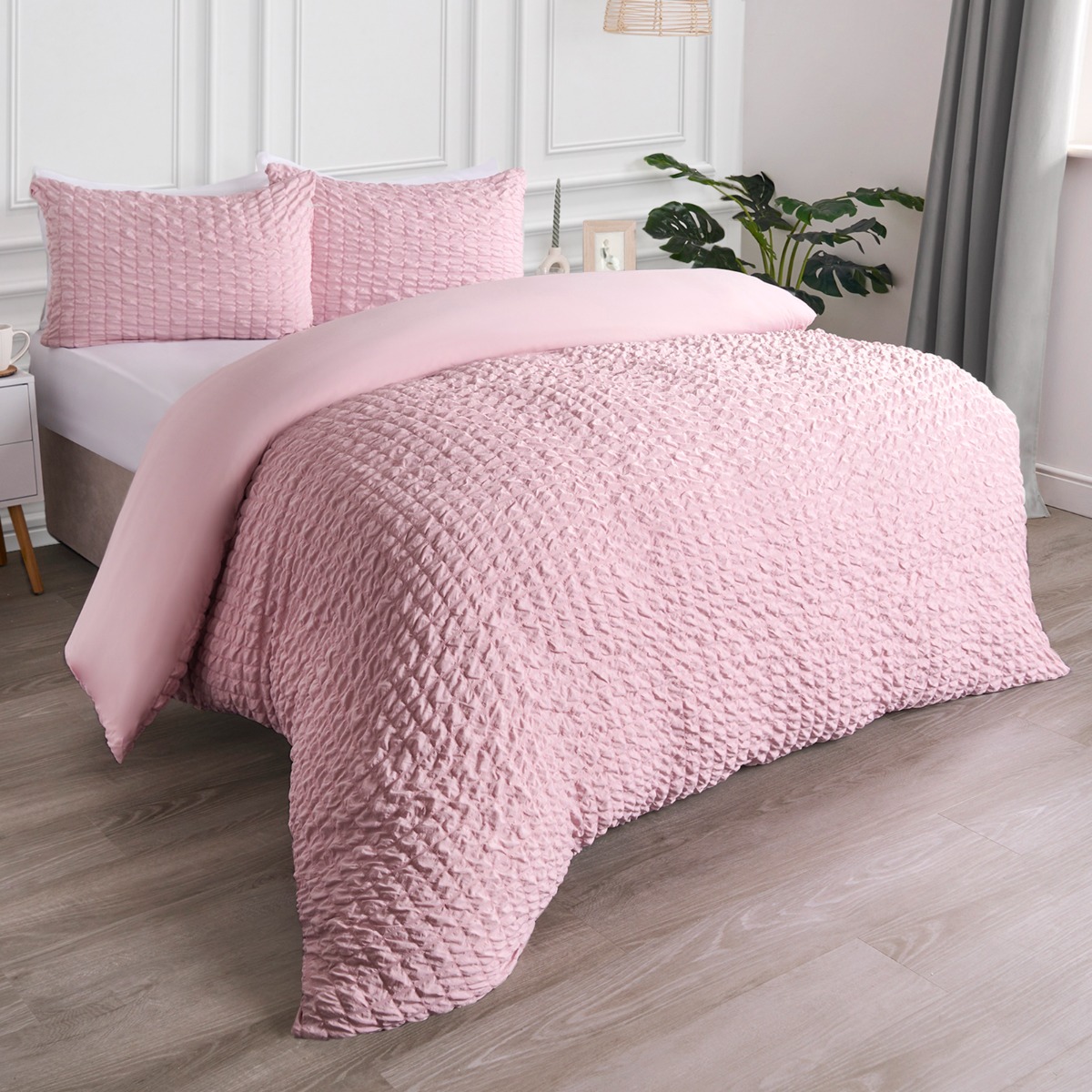
The weave is how the threads are woven together, and you'll notice it every night, often more than thread count. Percale is a simple one-over, one-under weave that feels crisp, cool and matte, and it's common in both polycotton and cotton bedding. Seersucker is woven with alternating tension to create its puckered texture. It sits slightly away from the skin and barely needs ironing, which makes it a good pick for warmer nights.
Finishes are added on top of the fabric. Brushed fabric has been gently brushed to raise the fibres for extra softness and warmth. Pintuck uses rows of small stitched folds for a tailored look, while tufted designs use raised, stitched yarn to add pattern and texture you can feel.
What about the thread count?
Thread count is the number of threads woven into one square inch of fabric. A higher number can mean a denser, smoother feel, but only up to a point. Everyday polycotton usually sits somewhere around 144 to 200, which is perfectly comfortable, while cotton percale from around 180 to 200 upwards is a good sign. Be wary of very high numbers on cheap bedding, as these are often reached by twisting thin threads together and counting each one separately. Thread count isn't always listed, so treat it as a bonus clue rather than the deciding factor.
Don't skip the practical details
Check the fitted sheet depth matches your mattress, look at how the duvet cover fastens, and read the care label so you know what you're signing up for on wash day. Customer reviews that mention how bedding holds up after a few washes are worth their weight in gold, too.
Frequently Asked Questions
Where can I find good quality bedding for cheap?
Look for a shop that lists fabric composition clearly, then choose by fabric as well as price. At Online Home Shop, microfibre bedding starts from £2.50, polycotton bedding from £5 and 100% cotton from £16, so there's a good quality option at most budgets.
What's the best bedding to buy on a tight budget?
Microfibre, from £2.50, is the best place to start on the tightest budget. It's soft, light and easy to wash. For a little more, polycotton from £5 copes better with frequent washing, while teddy fleece bedding, also from £4, is the one to pick if warmth matters most.
Is polycotton a good cheap bedding option?
Yes. Polycotton is hard-wearing, quick to dry and rarely needs ironing, which is why it's such a popular everyday choice. If you'd like something more breathable, 100% cotton is the natural step up.
Can affordable bedding still be comfortable?
Absolutely. Comfort comes from choosing the right fabric for how you sleep, not from spending more. Brushed cotton bedding from £6 is soft and warm, polycotton from £5 stays smooth wash after wash, and teddy fleece from £4 is about as cosy as it gets on a cold night.
Does a higher thread count mean better bedding?
Not always. Thread count can be a useful clue, but fabric type and weave make a bigger difference to how bedding feels. A well-made polycotton or cotton percale at a modest thread count will often feel nicer than a cheap set with an inflated number on the packet.
Sleep Well, Spend Less
Good bedding is less about the price tag and more about knowing what you're buying. If you're still undecided, our polycotton bedding is the easiest place to start: hard-wearing, easy to care for and from £5. Or browse our full bedding range and pick the fabric that suits how you sleep.