Winter is on the way, bringing colder weather and rising energy costs. Preparing your home early can make a big difference and at OHS we’ve created a full winter warmers collection designed to help you stay cosy, reduce heat loss and keep comfortable without overspending. The collection spans a wide range of home comforts, from throws, bedding to cushions, rugs, clothing and more. Giving you everything you need to stay warm this winter.
Key areas to consider before winter arrives:
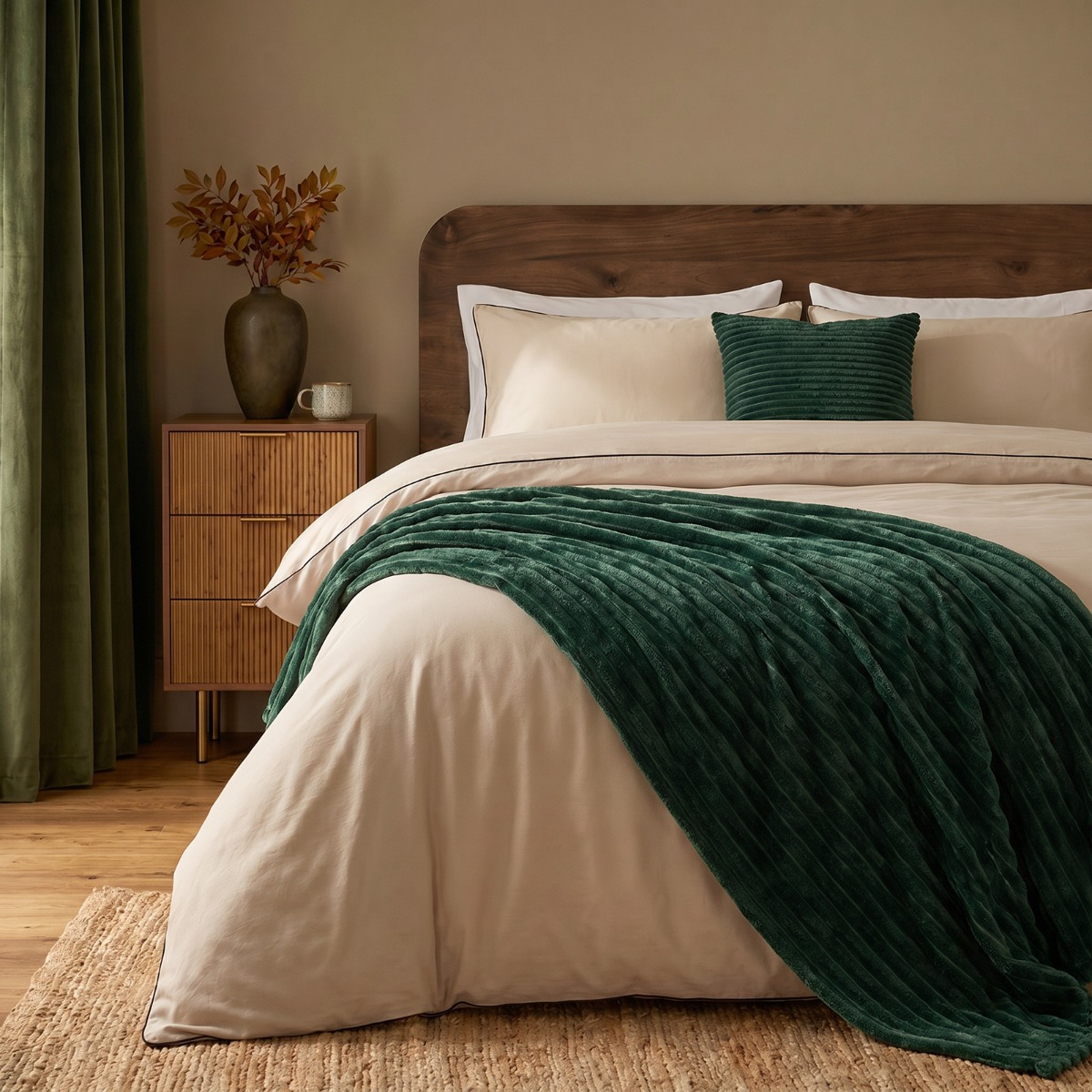
- Layered bedding: Adding extra layers helps retain warmth more effectively than relying on a single duvet.
- High tog duvets: A thicker duvet provides strong insulation for cold nights.
- Warm throws and blankets: Ideal for sofas, beds and quick warmth during the day.
- Soft nightwear: Comfortable PJs help you unwind and stay warm in the evenings.
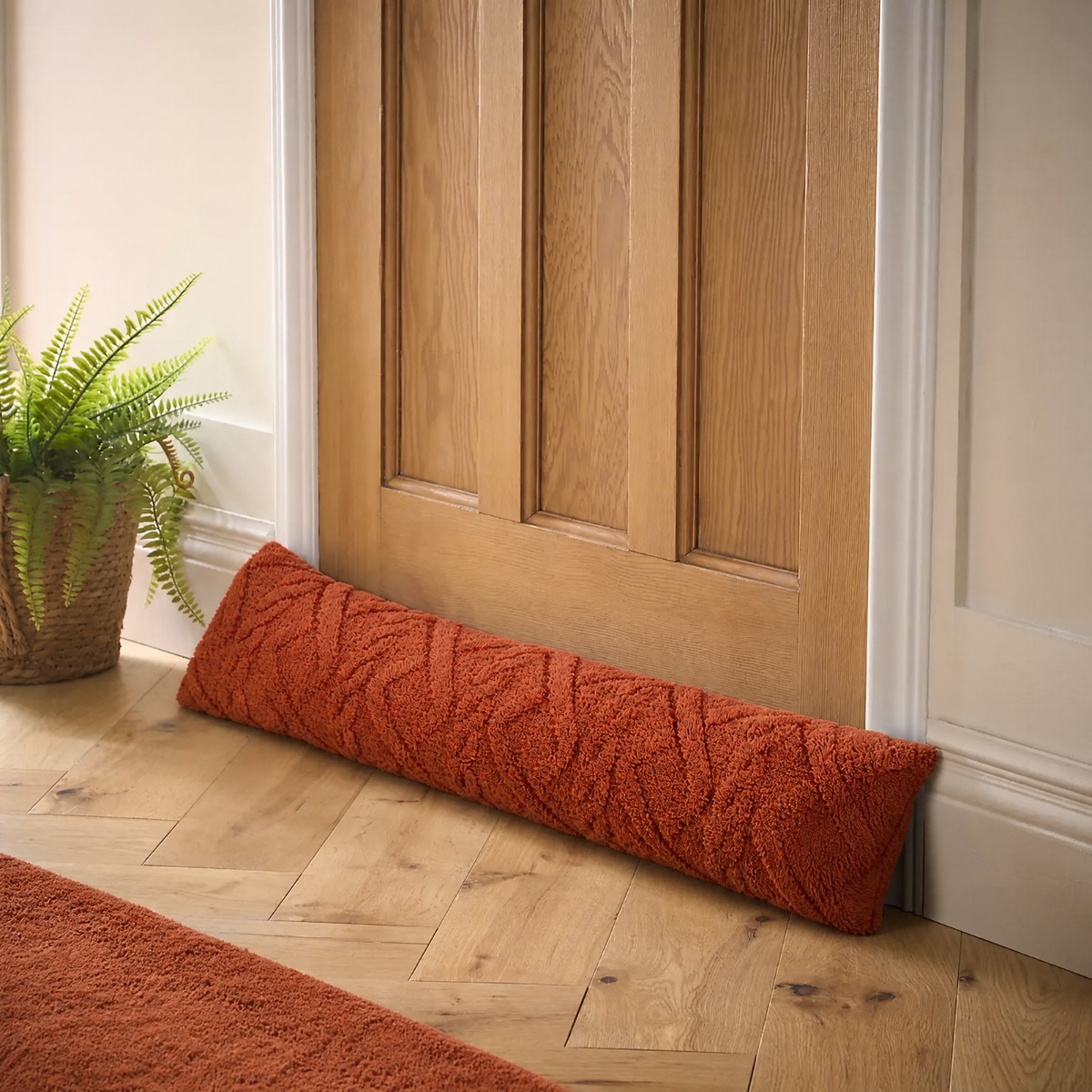
- Draft‑reducing items: Small additions like draught excluders and thermal curtains help keep heat in.
- Small‑space warmers: Perfect for compact rooms that get cold quickly.
Layered Bedding for Better Thermal Retention
Layering is one of the most effective ways to retain warmth. Using layered bedding can increase thermal retention more effectively than relying on a single thick duvet. Adding a warm throw or a weighted blanket creates an extra insulating layer, helping you stay comfortable during colder nights while reducing the need to turn up the heating.
Choosing a Higher Tog Duvet for Maximum Warmth
If layering isn’t your preference, you can also stay warm by choosing an extra thick 15 Tog Ultra Warm Duvet. This higher tog rating provides exceptional insulation, making it ideal for cold winter nights when you want maximum comfort without relying on additional heating.
Warm Throws and Blankets for Everyday Comfort
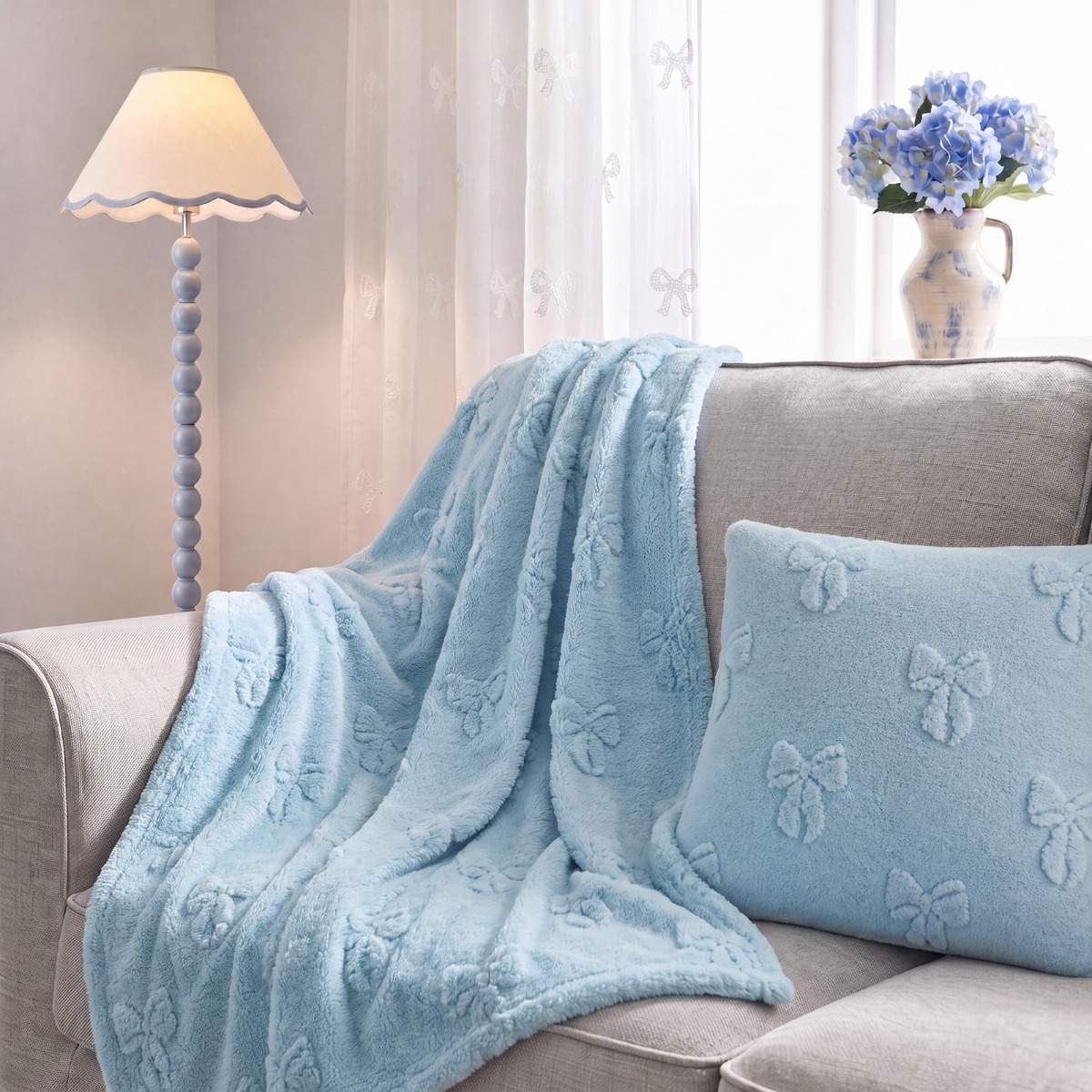
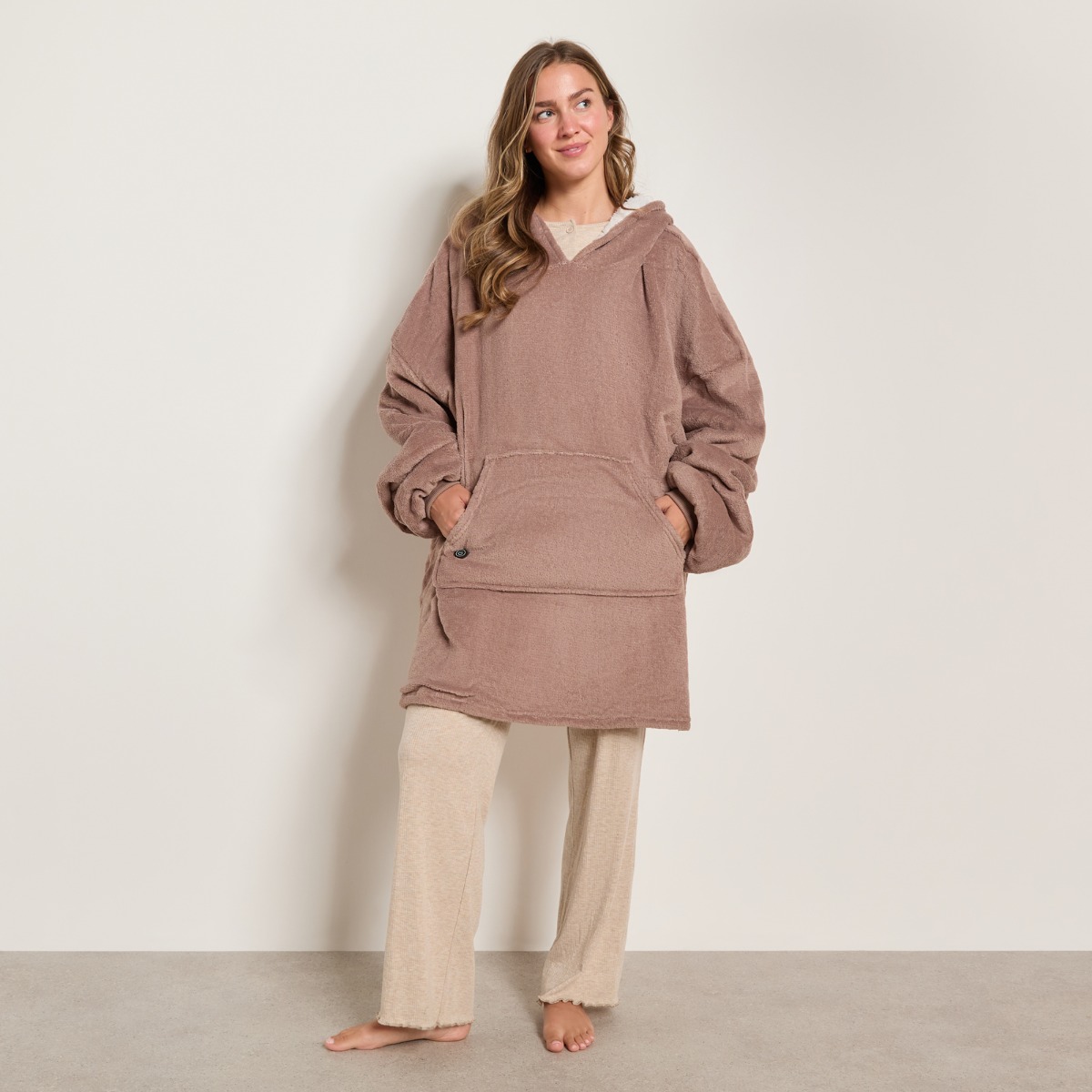
As temperatures fall, an electric heated hoodie blanket delivers instant warmth without turning up the central heating. Teddy fleece throws then offer easy, everyday insulation, while tufted versions introduce extra softness and a more textured, stylish look for sofas and reading corners. Weighted blankets round things off with warmth and gentle pressure, creating a calm, comfortable feel for unwinding on colder nights.
Hot Water Bottles: When to Replace Them
Hot water bottles offer quick, targeted warmth but they do not last forever. Most should be replaced every two to three years even if they still look fine on the surface. The rubber naturally weakens over time meaning there is reducing heat retention and increasing the risk of small cracks or splits.
Using a newer hot water bottle ensures better flexibility, stronger protection against leaks and more reliable warmth during colder months.
Thermal Zoning: The Layout Strategy for Retaining Heat
Thermal zoning is a practice of controlling heat flow in a room by using textiles placed strategically around the room. Instead of relying on central heating. Through this you create micro zones of warmth using throws, bedding and draft reducing items.
Thermal Zones to Build
- Bed zone — Duvet + teddy throw + weighted blanket
- Sofa zone — Oversized throws + textured cushions
- Floor zone — Rugs + runners
Energy‑Saving Tips Section
Small changes can help you stay warm without increasing heating use:
- Use layered bedding to trap warm air
- Add a warm throw for instant comfort
- Reduce drafts with thermal curtains or Draught Excluder
- Wear soft nightwear during colder evenings
- Use warm lighting to create a cosy atmosphere
·
|
Winter Warmer Type
|
Best For
|
Key Benefit
|
Extractable Claim
|
|
Fleece Throws
|
Sofa lounging
|
High warmth‑to‑weight ratio
|
Fleece traps warm air effectively
|
|
Teddy Bedding
|
Cold bedrooms
|
Soft, insulating texture
|
Teddy fibres reduce heat loss
|
|
Thermal Curtains
|
Drafty rooms
|
Energy efficiency
|
Reduces window heat loss
|
|
Hot Water Bottles
|
Targeted warmth
|
Quick heat
|
Provides instant, portable heat
|
|
High Tog Duvet
|
Cold Bedrooms
|
Comfort and insulation
|
Reduces heat loss
|
|
Weighted Blankets
|
Relaxation + warmth
|
Relaxation and insulation
|
Pressure Improves thermal retention
|
|
Electric Hoodie Blankets
|
Cold bedrooms and evening relaxation
|
Provides fast, direct warmth with adjustable settings
|
Warmth at a low cost
|
Frequently Asked Questions
How often should you wash winter blankets?
Winter blankets collect more oils and moisture during colder months. Most homeware experts recommend washing them every two to four weeks to maintain freshness and prevent fabric wear.
What materials feel warmest during winter?
Fabrics like sherpa, microfibre, and brushed cotton naturally feel warmer because they trap air within the fibres. These materials create a soft insulating layer that boosts comfort.
How do you store blankets properly after winter?
Blankets should be stored in breathable bags or containers to prevent moisture build‑up. Adding a fabric freshener sheet helps maintain softness and prevents musty smells.
Why do some blankets feel warmer than others?
Warmth varies based on fibre density, weave structure, and surface texture. High‑pile fabrics and tightly woven materials retain more heat because they reduce airflow.
What’s the best way to layer blankets for maximum warmth?
Layering works best when combining different textures. A smooth base layer helps retain heat, while a thicker top layer adds insulation. This creates a balanced warmth profile without overheating.
How can you make a room feel cosy without adding more blankets?
Warm lighting, textured cushions, and soft rugs can increase the feeling of cosiness. These elements add visual warmth and comfort even without extra textiles.
Do certain colours make a room feel warmer in winter?
Warm‑toned décor such as deep neutrals or earthy shades can make a space feel visually warmer. This effect is psychological but enhances overall comfort.
What’s the difference between winter blankets and all‑season blankets?
Winter blankets are designed with higher‑density fibres and thicker constructions, while all‑season blankets focus on breathability. Winter options prioritise insulation and heat retention.