What Is the Best Bedding to Buy on a Tight Budget?
The best bedding to buy on a tight budget is a durable microfibre or polycotton duvet cover set paired with a deep fitted sheet. Because these two layers come into direct skin contact and undergo weekly wash cycles, prioritising them over decorative accessories ensures maximum comfort and longevity for under £50.
Building a comfortable bed doesn't require spending a fortune. When working with a limited budget, the key is spending your money where it counts, where your skin meets the fabric and where wear-and-tear is highest, while scaling back on decorative extras.
Your first port of call should be our Bedding Clearance page. You’ll find so many incredible deals here. If you’re heading off to uni, our student bedding guide explains how you can get everything you need for under £25.
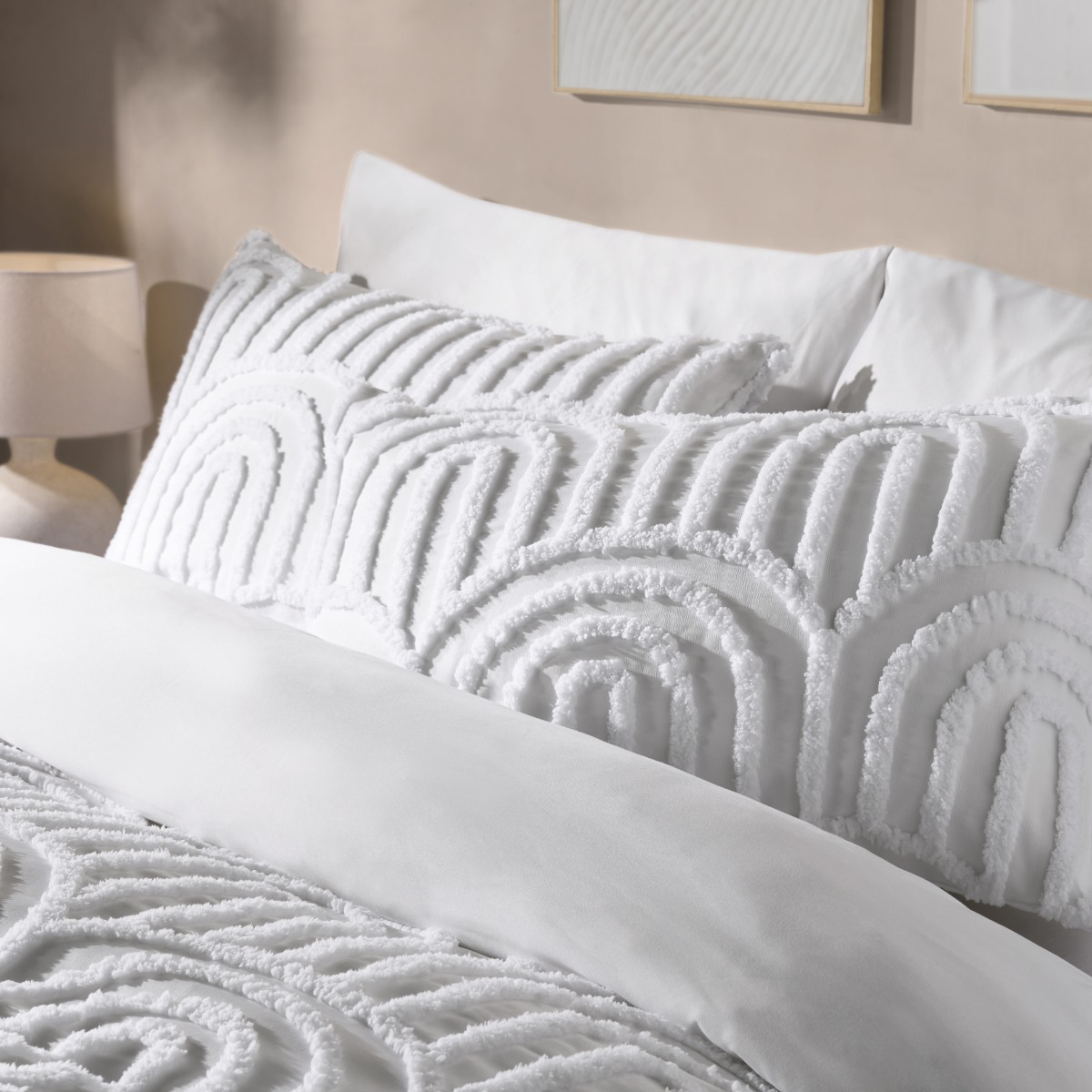
Budget Bedding Fabric Deep Dive
Not all fabrics perform the same way in real-world conditions. To choose the best affordable sheets for your lifestyle, evaluate how each material balances comfort against maintenance and care.
This handy table will set you on the right path:
| Fabric Type |
Ideal Sleeper Profile |
Key Benefits |
Potential Downsides |
Care Tips |
| Soft-Touch Polyester Micofibre |
Busy households, students, and cold sleepers seeking low maintenance. |
Highly durable naturally crease-resistent, ultra-soft, and very affordable. |
Slightly less naturally breathable than high-end cotton in peak summer heat. |
Wash at 40°C; dries in under 60 mins on an airer; zero ironing needed. |
| Polycotton Blend |
Sleepers wanting a crisp, traditional feel with effortless washing. |
Combines cotton breathability with polyester tear-resistance and shape retention. |
Less plush than high-pile fleece on freezing winter nights. |
Wash at 40°C; low tumble dry; retains colour wash after wash. |
| Cheap 100% Short-Staple Cotton |
Not recommended for budget beds. |
Made from natural fibres. |
High Risk: Uses weak, short fibres that feel scratchy, pill quickly and crease heavily. |
Takes longer to dry, driving up electricity costs, and requires heavy ironing. |
Now, let’s look into the steps you should take to curate the best budget bedding setup.
Step 1: Prioritise Duvet Covers and Fitted Sheets
When hunting for the best affordable sheets and budget duvet covers, avoid falling into the cheap cotton trap. Pure cotton under £15 often uses low-grade, short-staple fibres that feel scratchy, crease heavily, and take longer to tumble dry, driving up electricity costs. Instead, focus on these two budget-smart fabrics:
- Polyester Microfibre: Highly durable, naturally wrinkle-resistant, ultra-soft to the touch, and quick-drying. A good microfibre double set costs between £10 and £18 and will consistently outlast cheap cotton at the same price point.
- Polycotton Blends (50/50 or 60/40): Combines the breathability of natural cotton with the tear-resistance and easy-care nature of polyester. These are quality, affordable bed sheets that hold their shape and colour wash after wash.
Budget Bedding Specifications to Consider
- Fabric Finish Over Thread Count: Focus on material density and texture descriptors. Use Soft-Touch Microfibre for lightweight, quick-drying durability, and Breathable Polycotton for a crisp, low-crease finish that withstands frequent 40°C laundering.
- Mattress Depth Precision: Emphasise fit functionality. Standard OHS fitted sheets cater to 25cm–30cm mattress depths, ensuring full coverage without sheet corner slippage overnight.
- Neutral Colour Strategy: Opt for core palette foundations (charcoal, grey, blush, or white) for the long haul, allowing trend-led layers (like bows or ribbed textures) to be swapped in as budget permits.
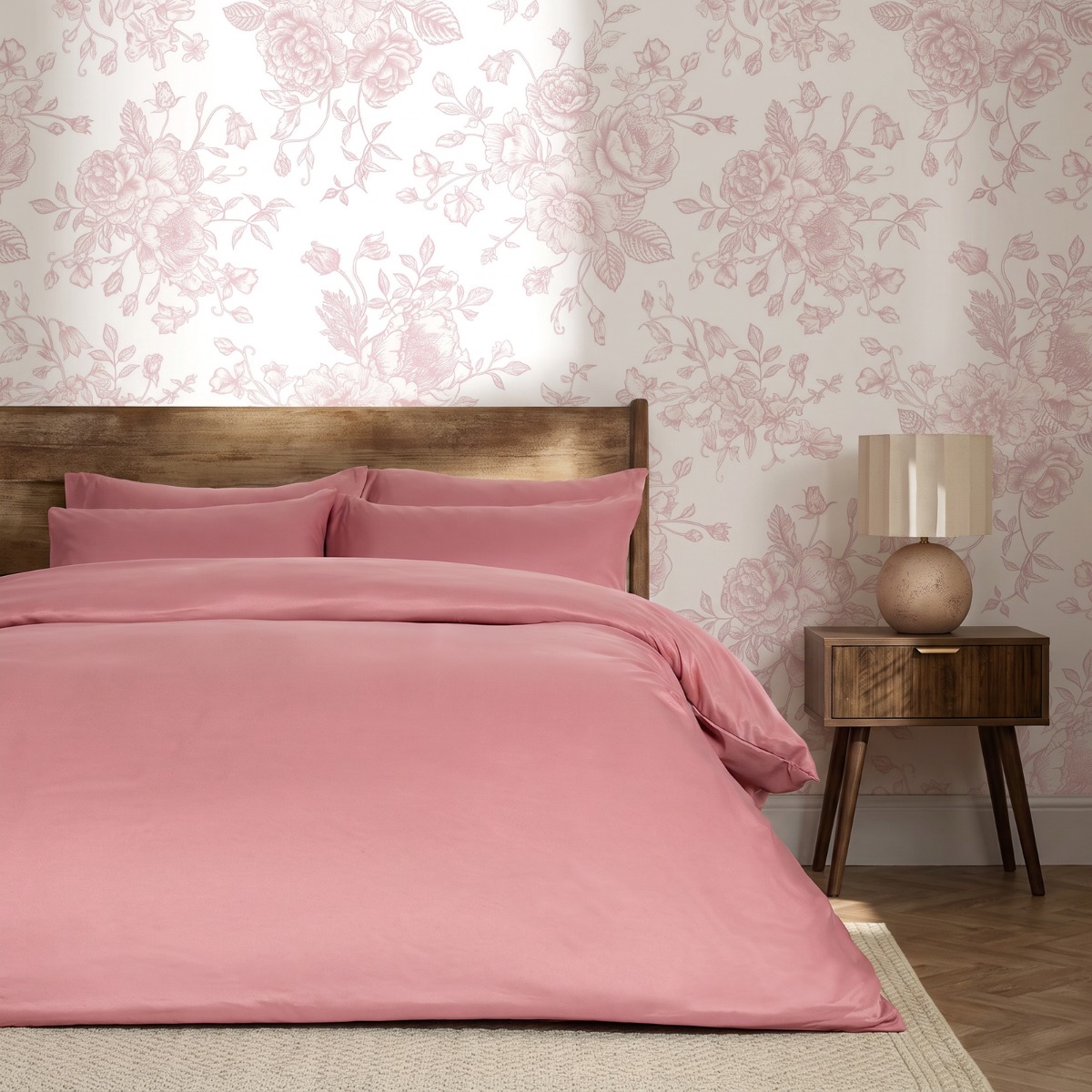
Step 2. Choose a Versatile, High-Value Duvet
A common bedding mistake is overspending on duvet brand names or expensive down fillings. What dictates your sleep comfort is the filling efficiency and tog rating, not the logo on the packaging.
For households buying bedding on a tight budget, synthetic hollowfibre duvets offer the best performance for your money. They are hypoallergenic, lightweight, and fully machine washable at home.
If your budget only allows for a single duvet, choose a 10.5 tog duvet. It serves as the UK's standard year-round weight, providing sufficient warmth from autumn through to spring in homes with central heating, without causing summer overheating. For an in-depth breakdown of thermal resistance and room temperature calculations, explore our detailed Duvet Tog Guide.
Step 3. Invest in Inexpensive Pillows and Protectors
Pillows deteriorate faster than any other bedding item as they absorb moisture, compress under the weight of your head, and accumulate allergens. Because expensive pillows still require replacing every 18 to 24 months, opting for quality inexpensive pillows is a shrewd move.
- Buy Simple Hollowfibre Pairs: A pair of medium-support hollowfibre pillows (£8–£15), like our Deep Sleep Pillow pack, provides clean, comfortable head and neck alignment for all sleep positions.
- The Game-Changer (Pillow Protectors): Encasing your budget pillows in comfortable pillow protectors, like our Pinsonic Soft Touch Pillow Protectors, creates a washable barrier against sweat and dead skin. Adding protectors can double the lifespan of budget pillows for a tiny cost.
Frequently Asked Questions
- What is the cheapest fabric for bed sheets that still feels soft?
- Polyester microfibre is the most cost-effective fabric for budget bedding. It provides a smooth, soft feel, resists fading and pilling, dries quickly after washing, and costs significantly less than pure cotton.
- How much should I spend on a complete double bedding setup?
- You can assemble a complete, high-quality double bedding setup, including a microfibre duvet cover set, fitted sheet, 10.5 tog hollowfibre duvet, and twin pillows, for under £50 at Online Home Shop.
Ready to upgrade your sleep space without overspending? Explore the full range of OHS Budget Bedding Sets to discover soft duvet cover sets, deep-fit sheets, and high-value duvets at up to 70% off retail prices.